Publications
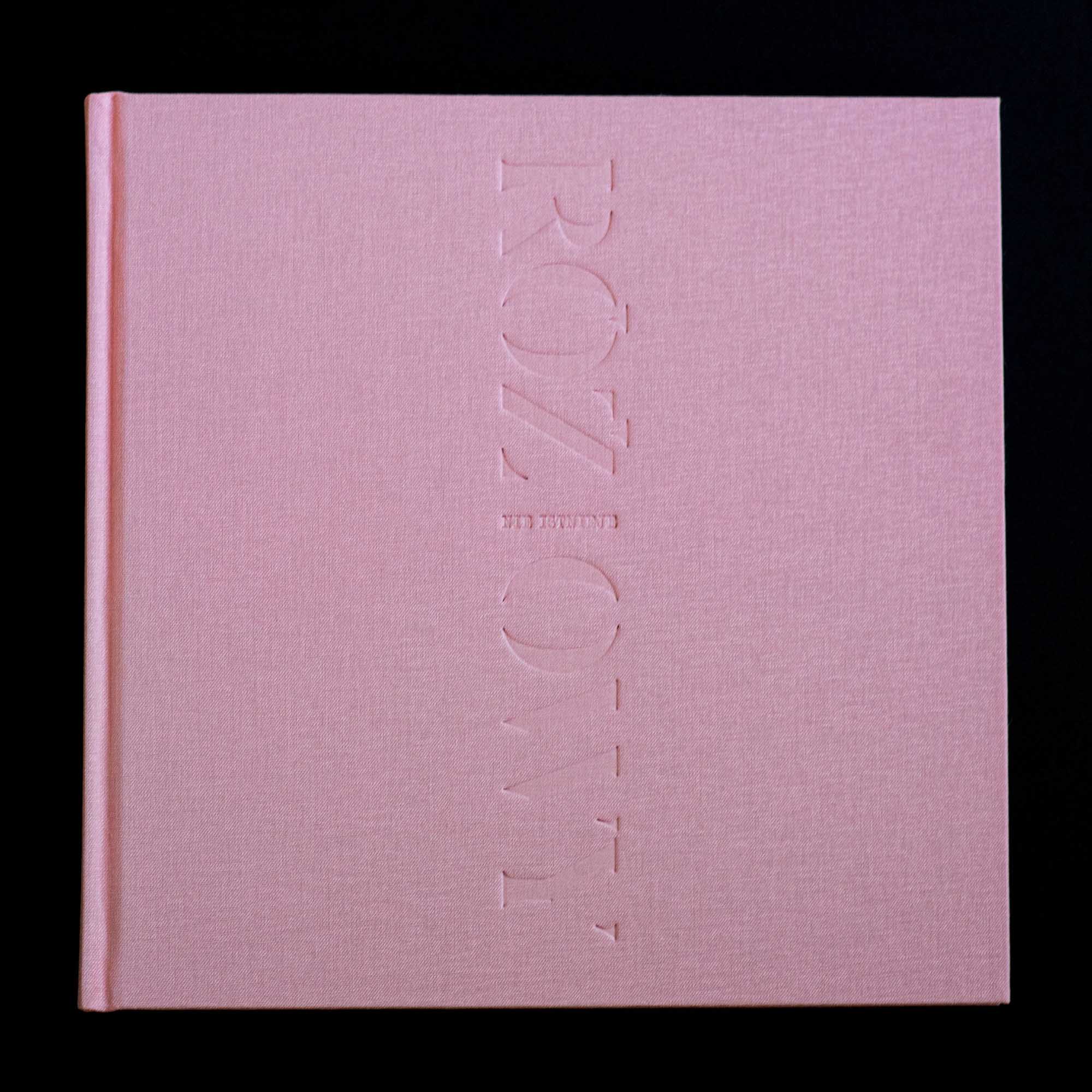
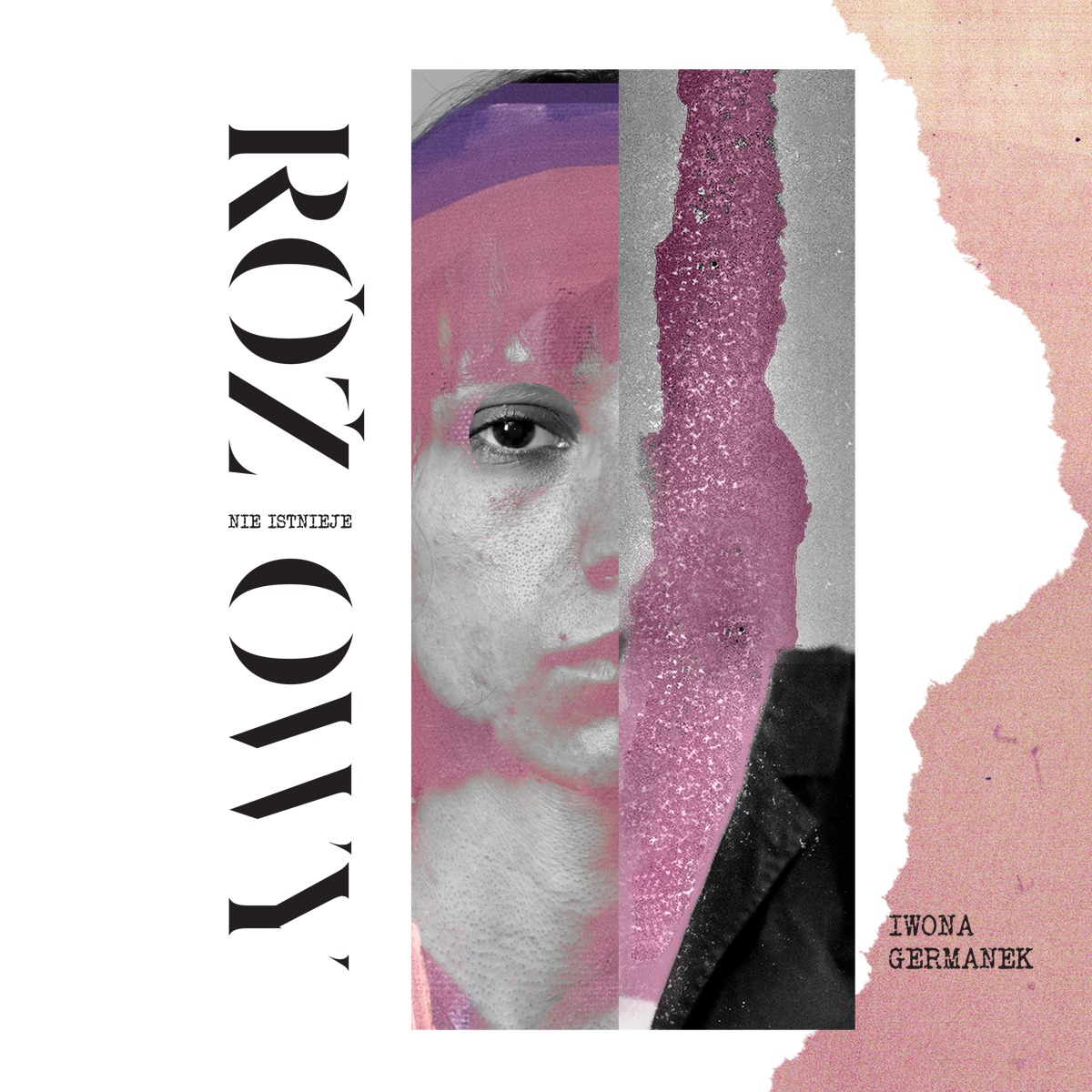
Pink doesn’t exist
It starts innocently with little problems. Seemingly insignificant behaviour, although difficult to accept, is often explained as a result of growing up, social or emotional maladjustment. Unfortunately anxiety, fear and inability to cope with simple life activities are the signs that you cannot ignore. They are symptoms of civilization disease, that lots of us would like to hide from others – depression. No matter what we think about it, how we
try to manage this illness – it can touch everyone regardless of gender, age, social, professional or family status, and also those we love the most – our children.
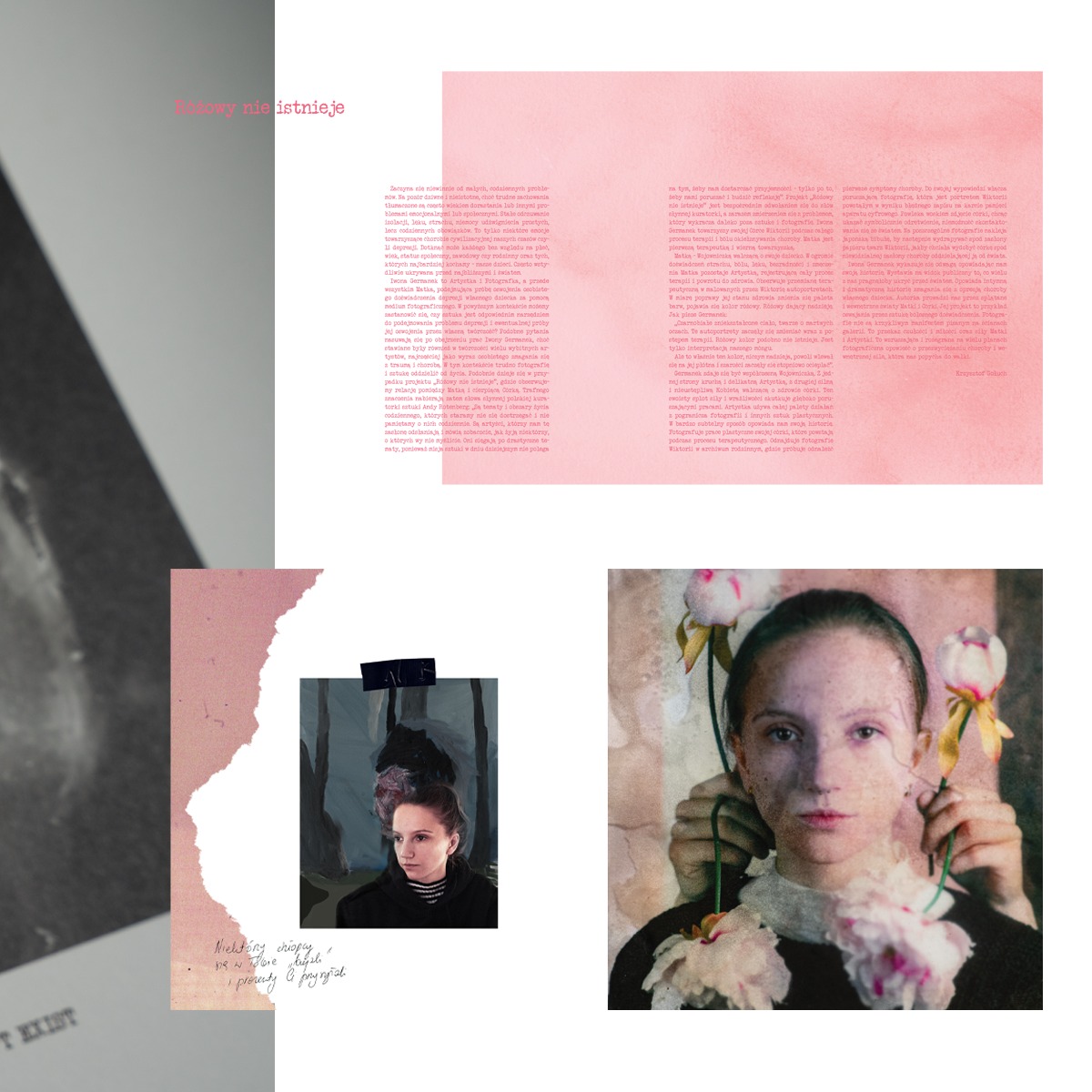
Iwona Germanek is an artist and a photographer, but first of all – a mother who tries to tame her daughter’s personal experience of depression using the photographic medium.
In her works she asks the question whether art is an appropriate tool to deal with the problem of depression? This question has been haunting artists for a long time. Many
outstanding artists have explored the topic of personal struggle with trauma and illness. Their works as well as the project of Iwona Germanek prove that it is difficult to separate art from life. Pink Doesn’t Exist shows the relationship between a mother and her daughter struggling with depression.
Therefore the words of the famous Polish art curator Anda Rotenberg gain new meaning: There are topics and areas of everyday life that we try not to notice and that we do not remember about them every day. There are artists who reveal this veil to us and say: look how those – you don’t think about – live. They reach for drastic topics, because the mission of art today is not to provide us with pleasure – but to move us and to awaken reflection (…)
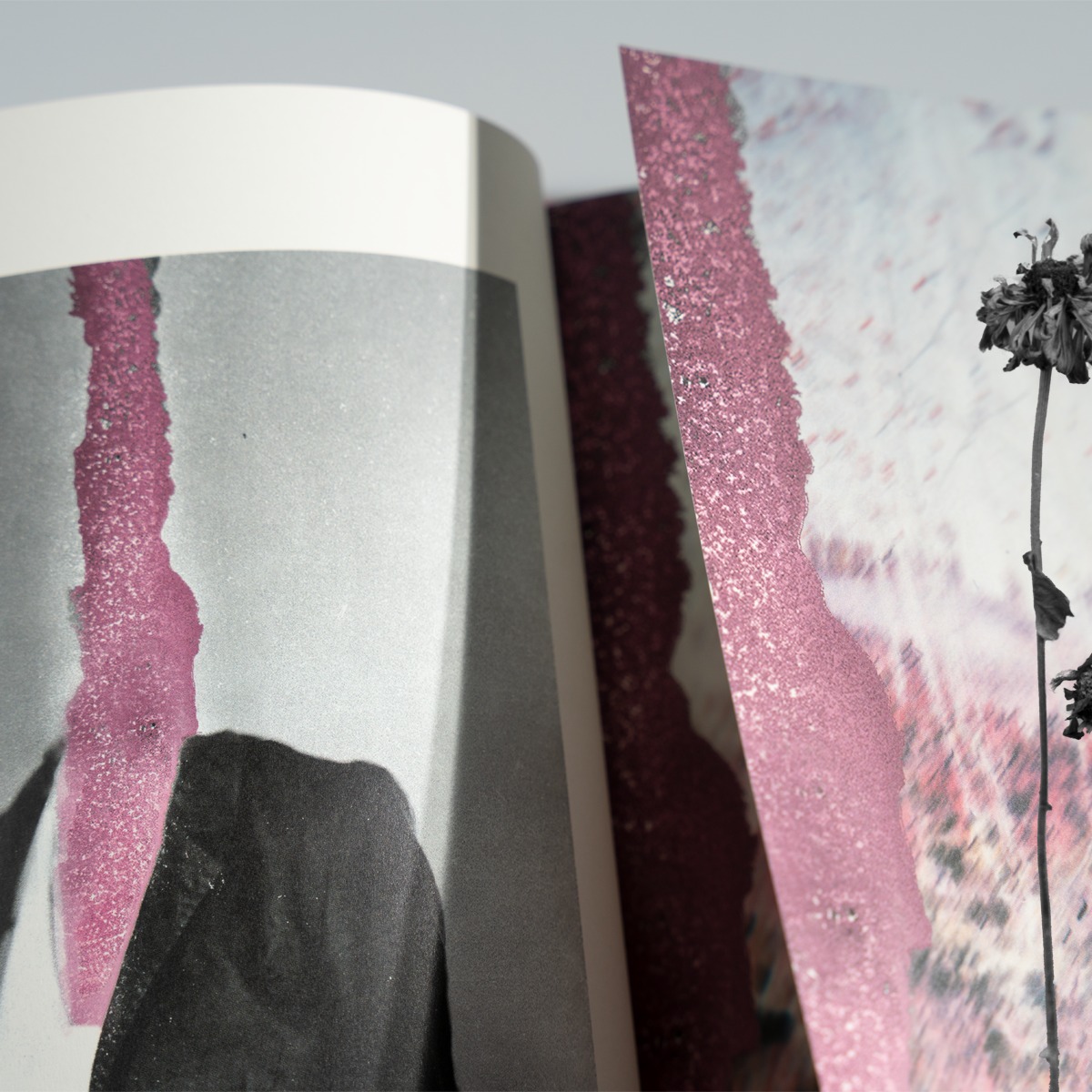
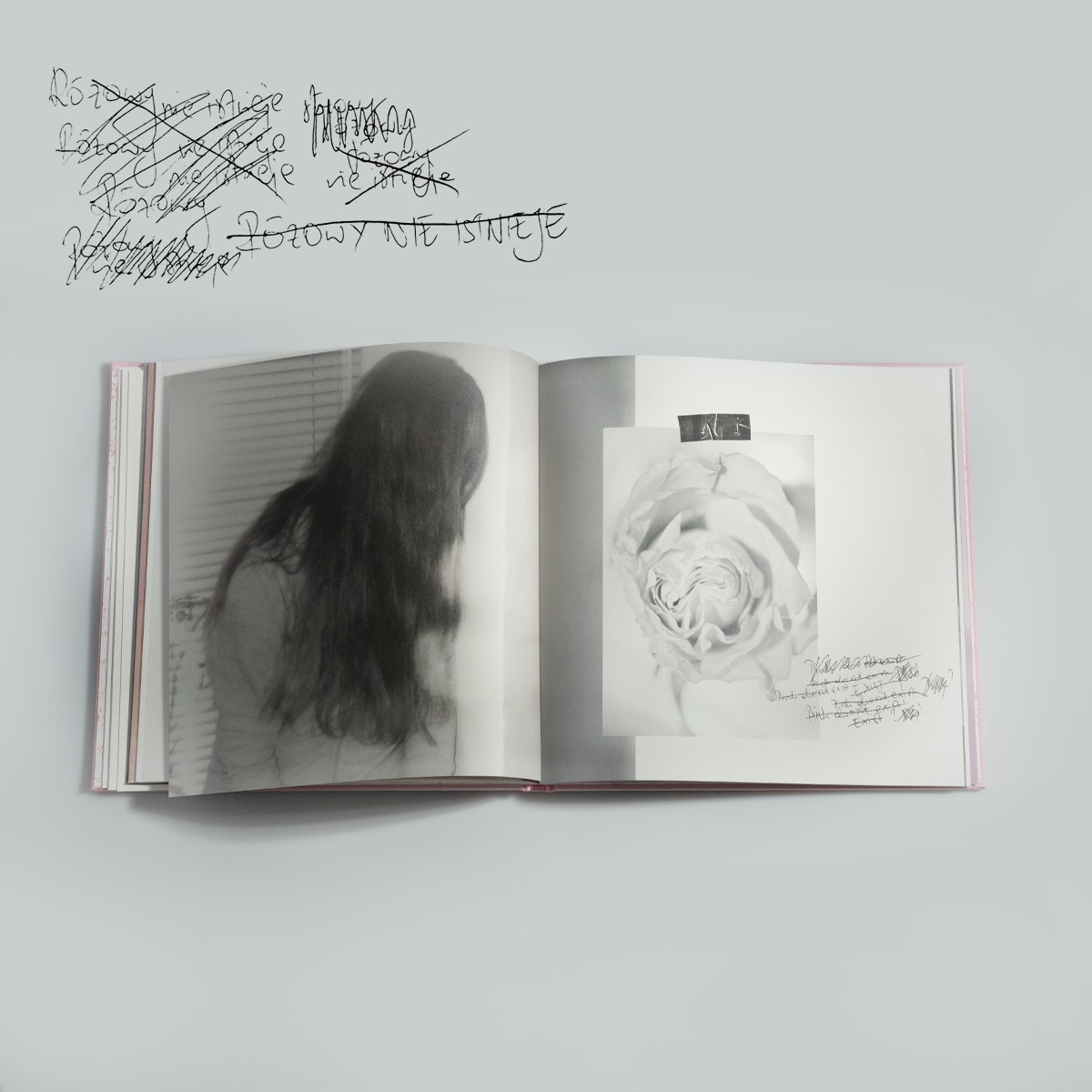
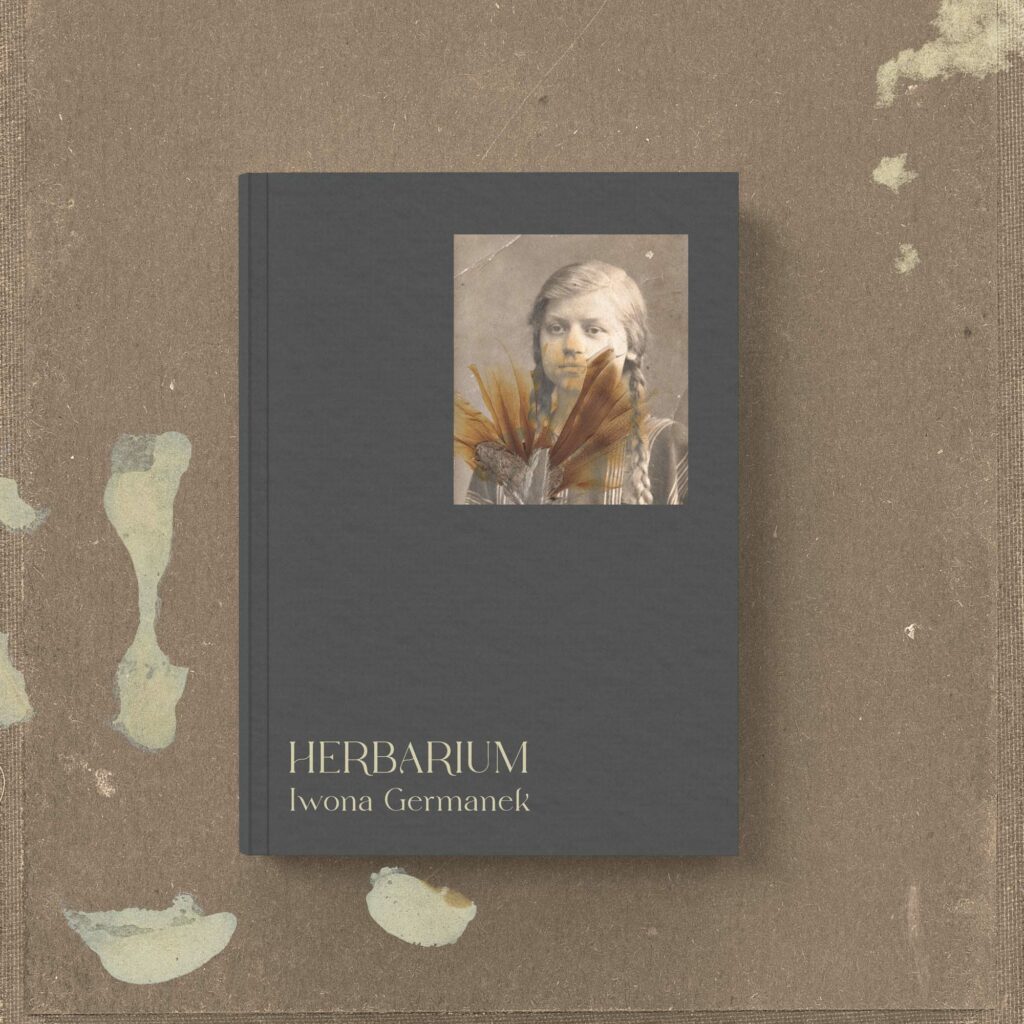
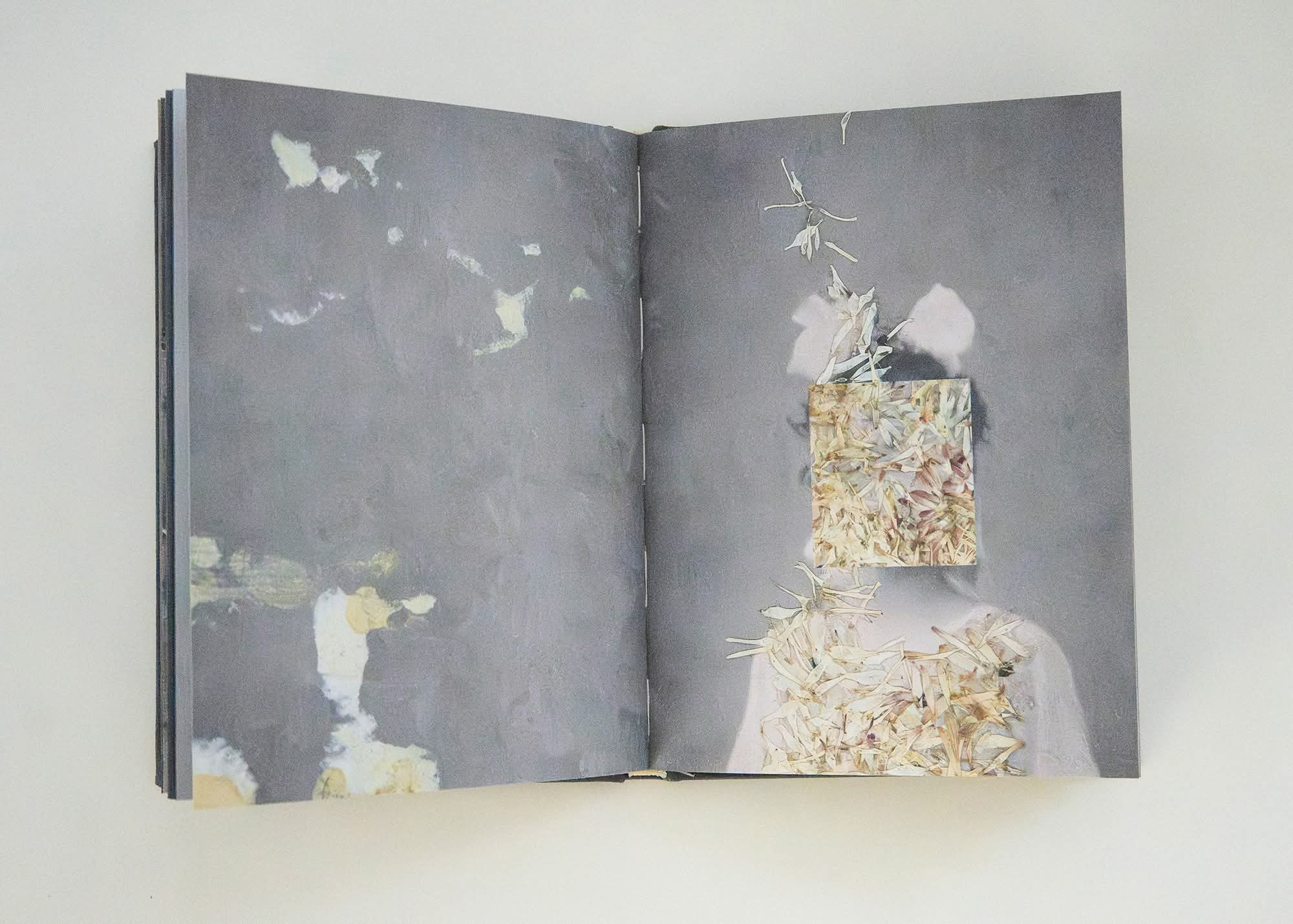
You put autumn leaves fallen from trees, wild flower petals still fragrant with spring and small pieces of plants between the pages of the book you had been reading a long time ago and no longer needed. You create a herbarium. You paste old photos into the scrapbook, sticking little notes written with school ink. You create memory.
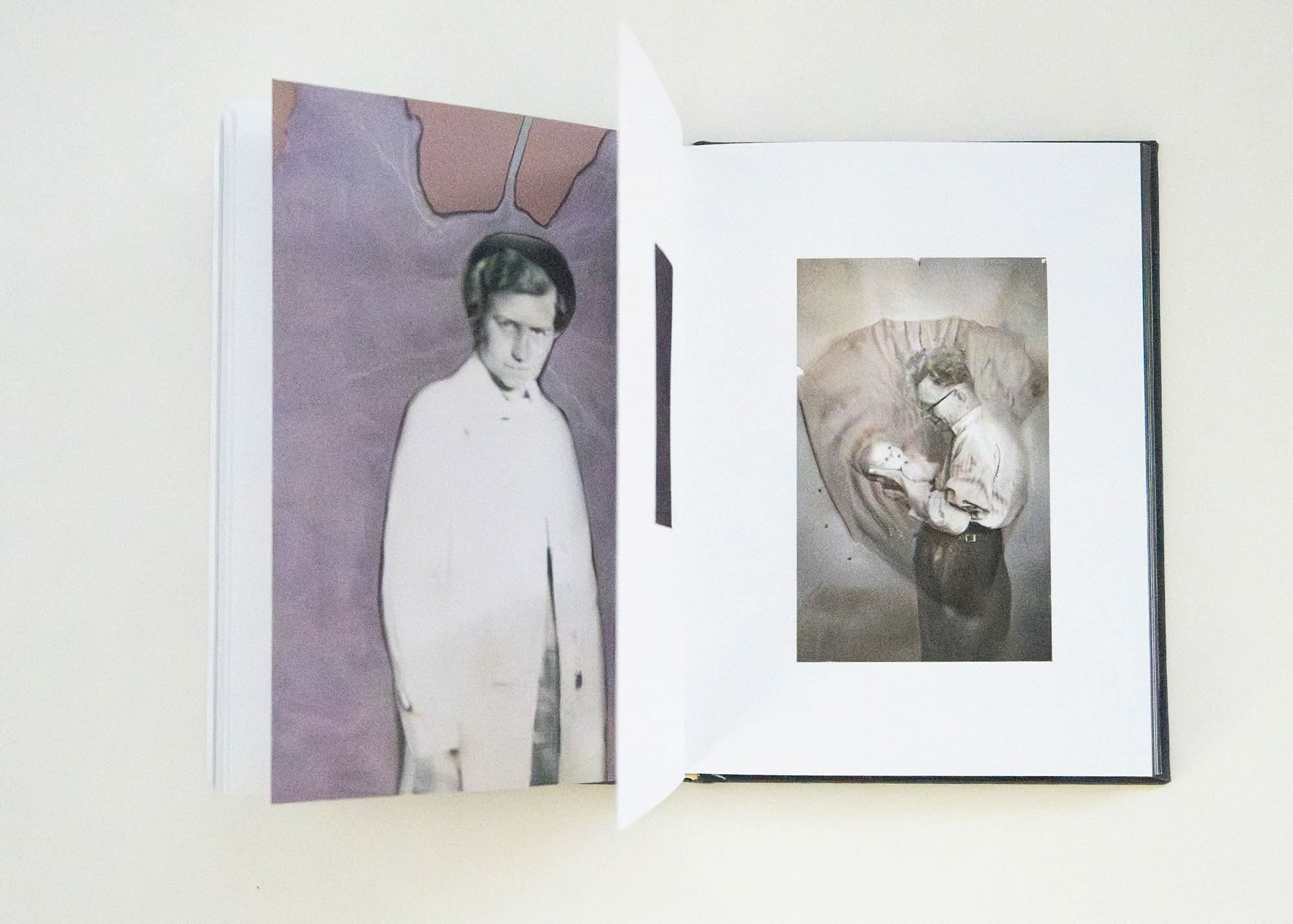
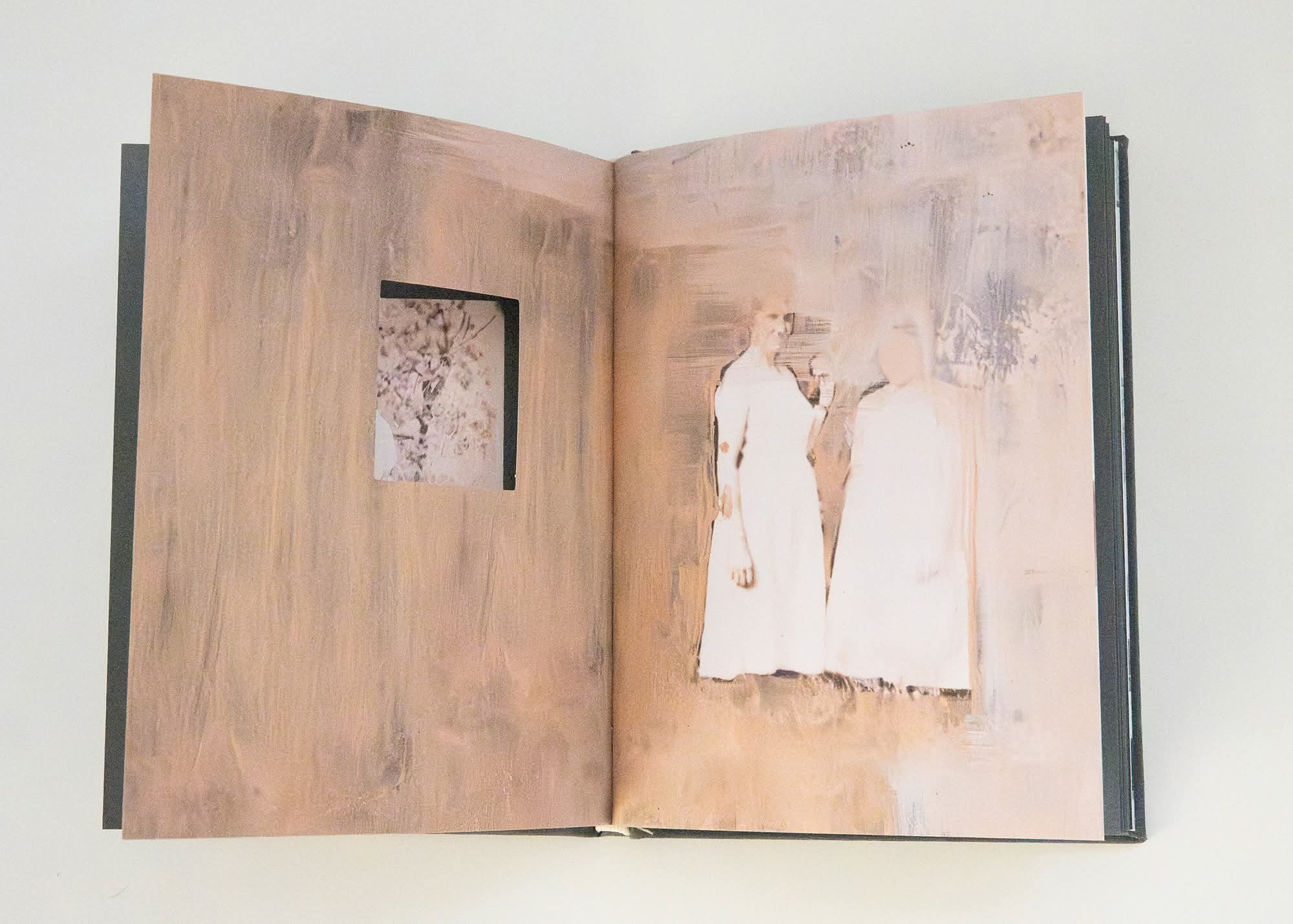
What will the herbarium be after many years? When the leaves would dry up, the hidden drops would crumble and release scents? When the colours would fade? What is the memory? The face of a loved one, a long-excluded person who emerged as if from fog, or perhaps from a distance, as if painted over with paint, only through which the contours of the eyes, mouth and hair are visible.
You can smell it, but that face is just a blur. What is the memory? Is it just a drawer into which you put dry blades of grass, memories and letters, pieces of what is no longer there? The fragile structure of the broken stem contains longing.
Is memory something as necessary for living as water? Without water you die of thirst. Without memory – you die of non-existence.