Crumbs

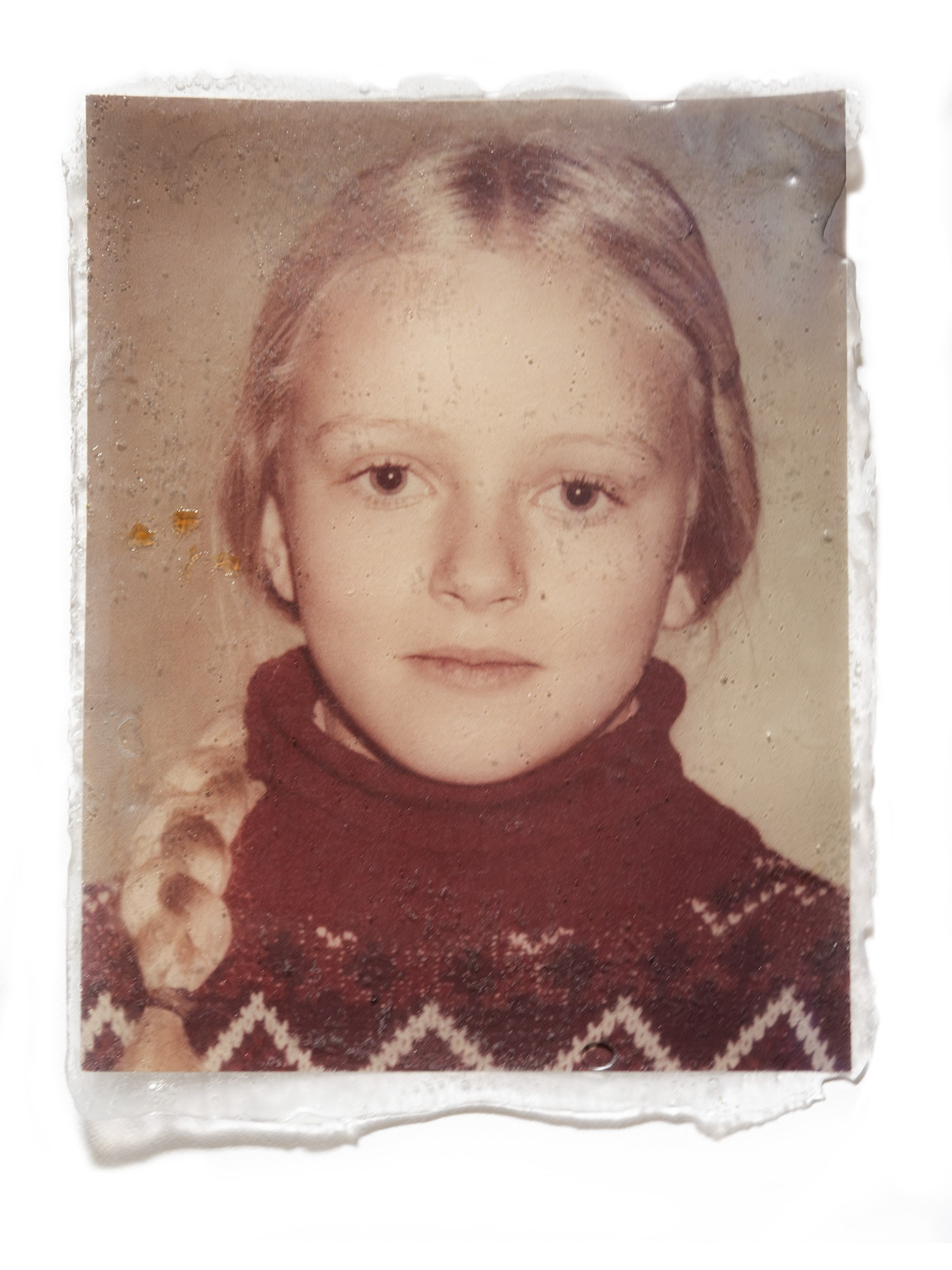
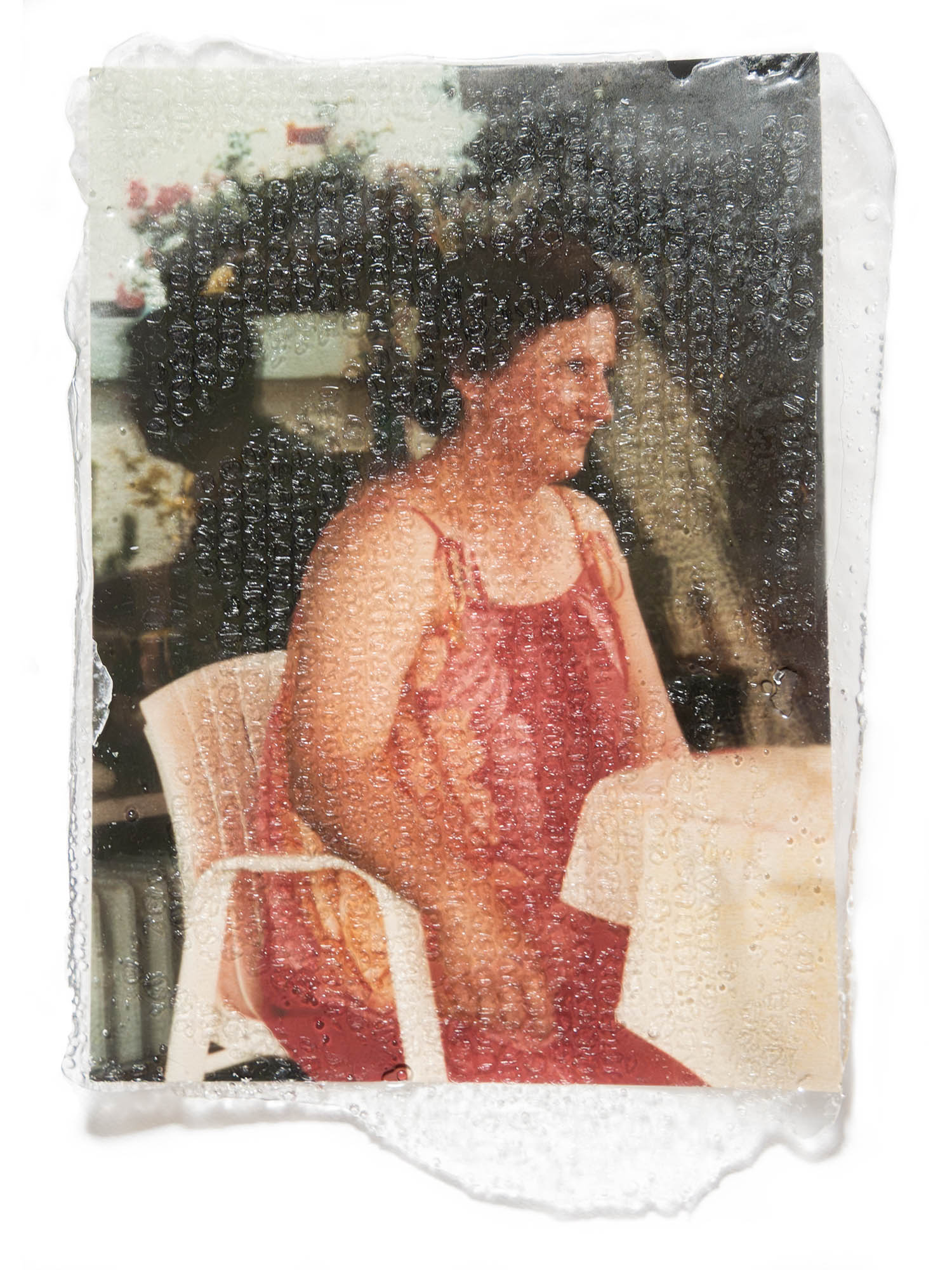
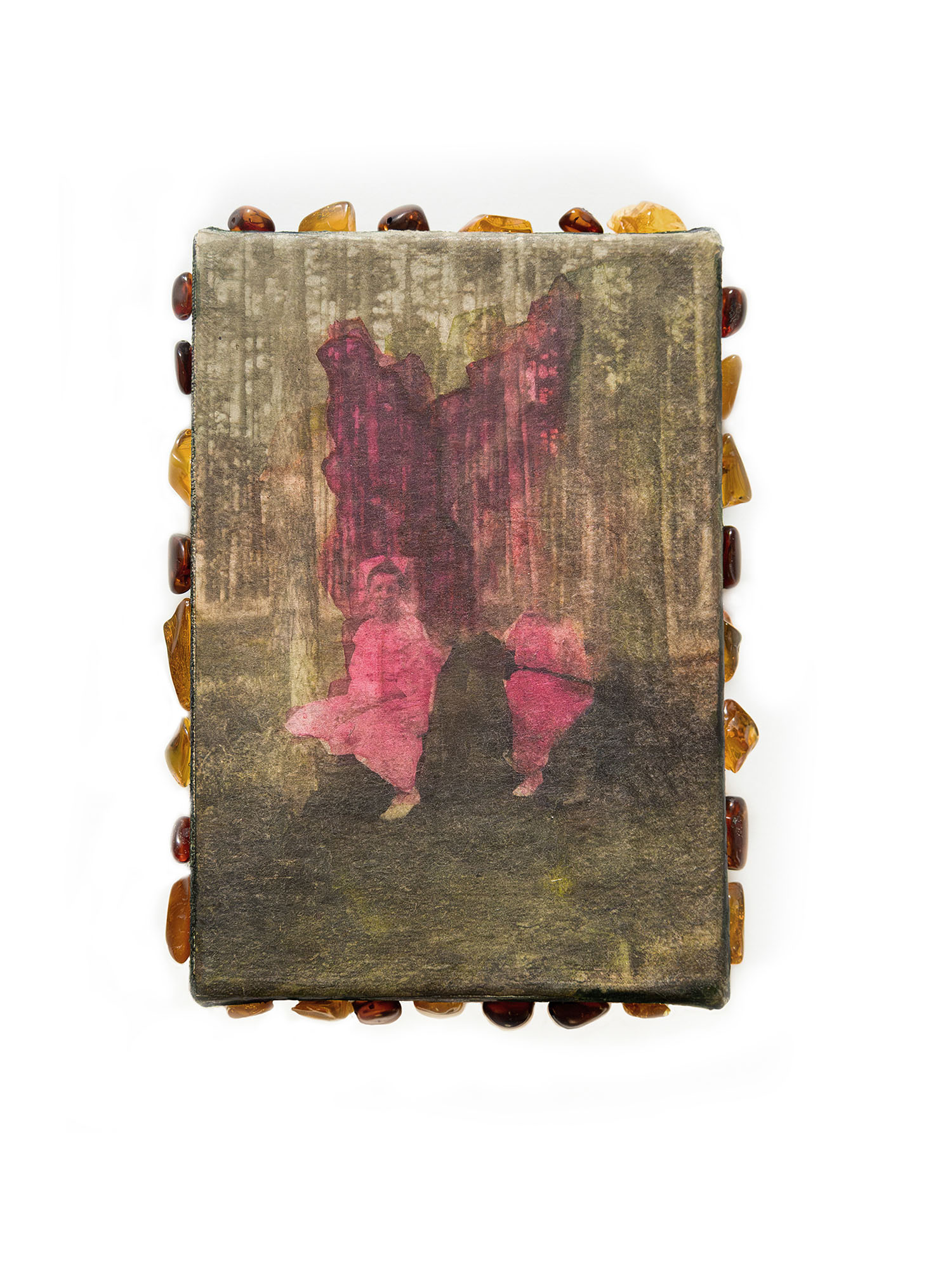
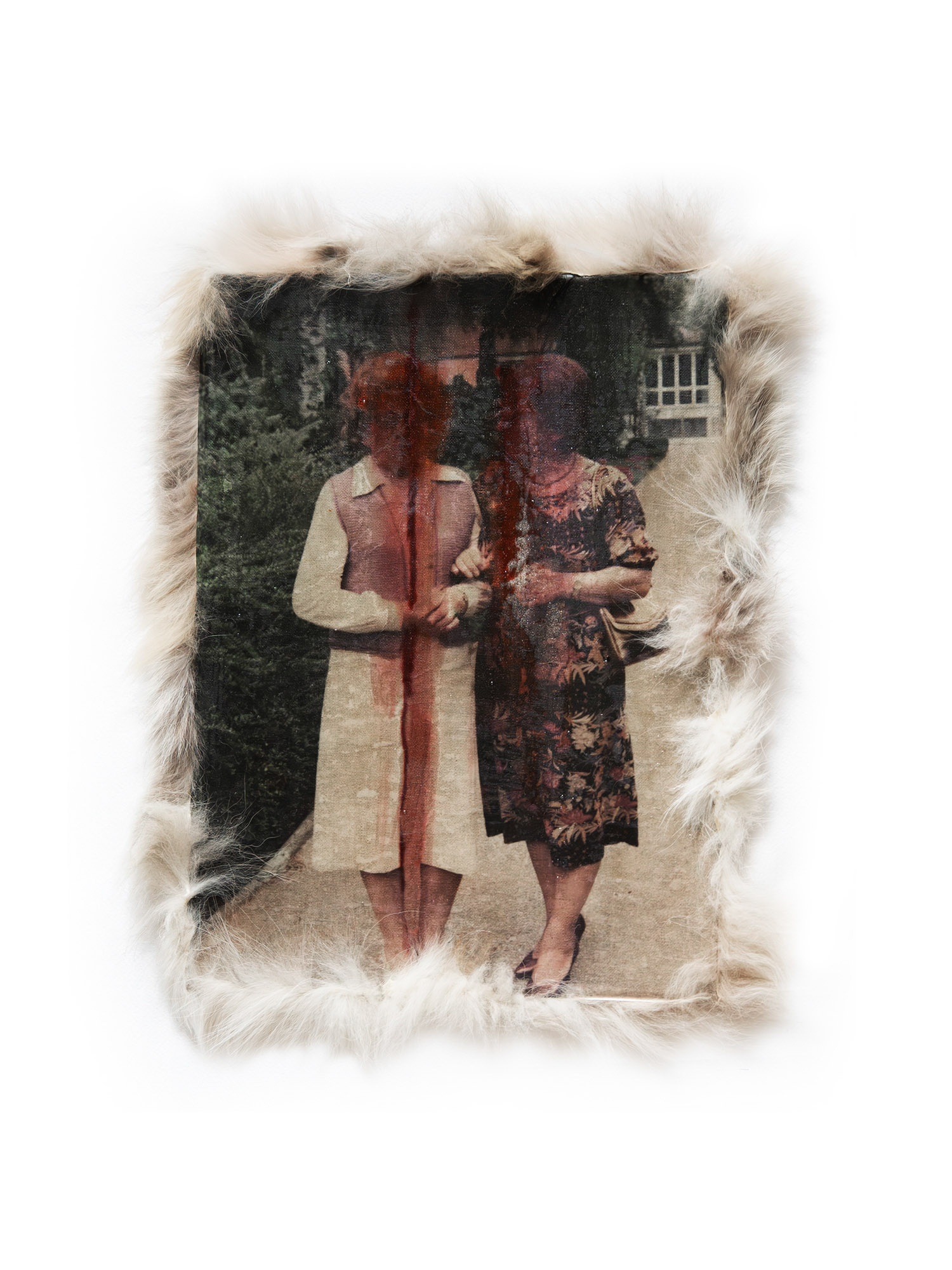
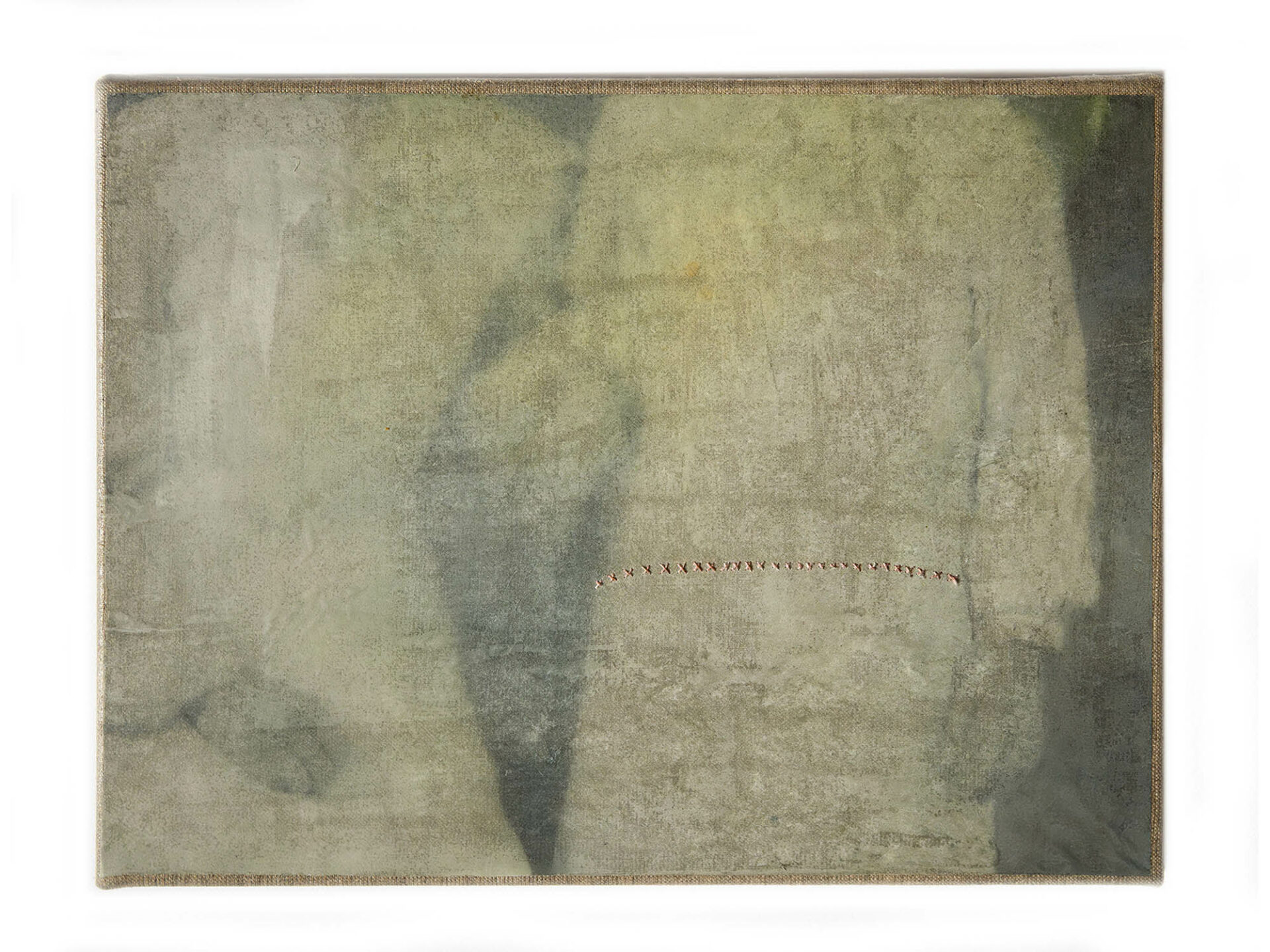
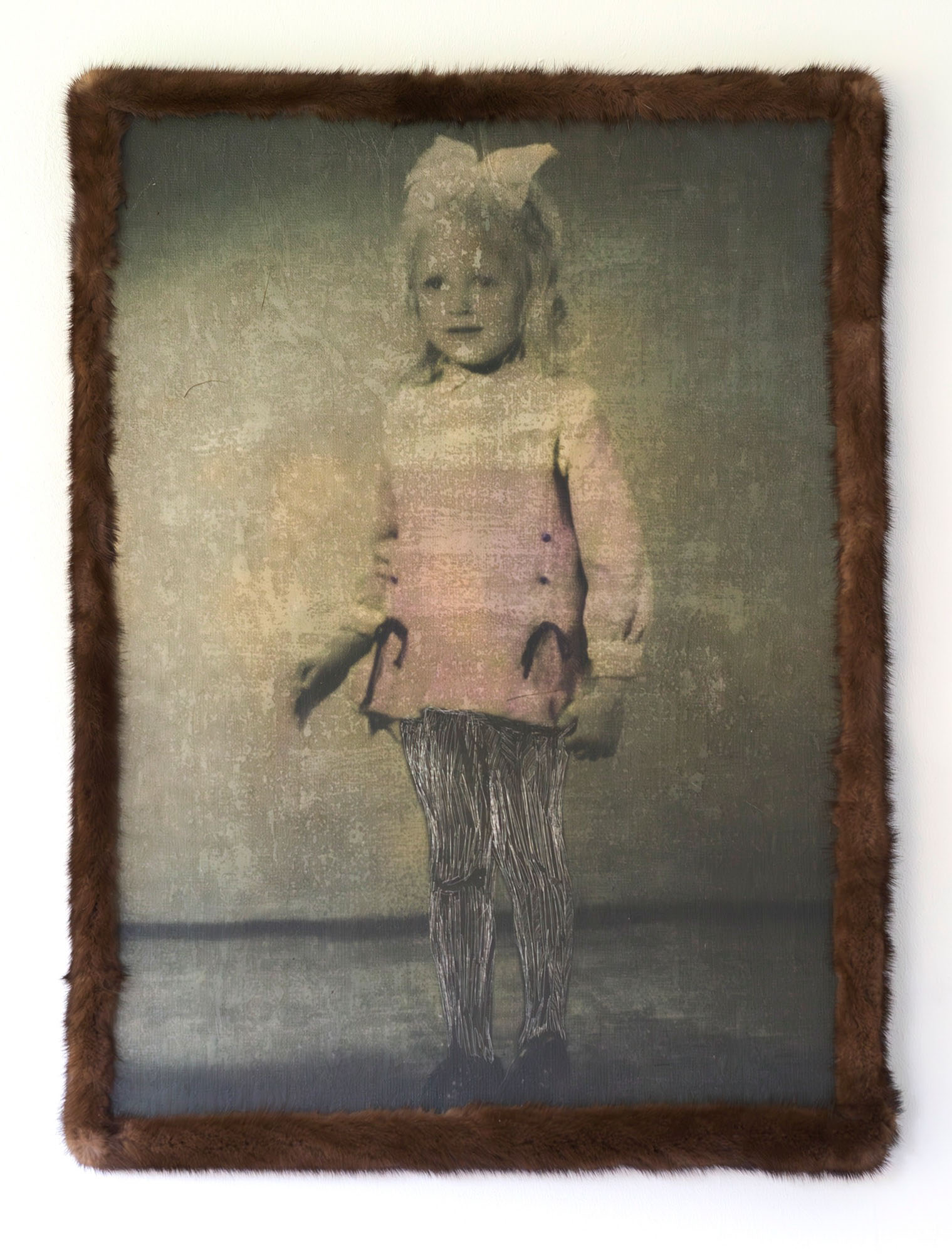
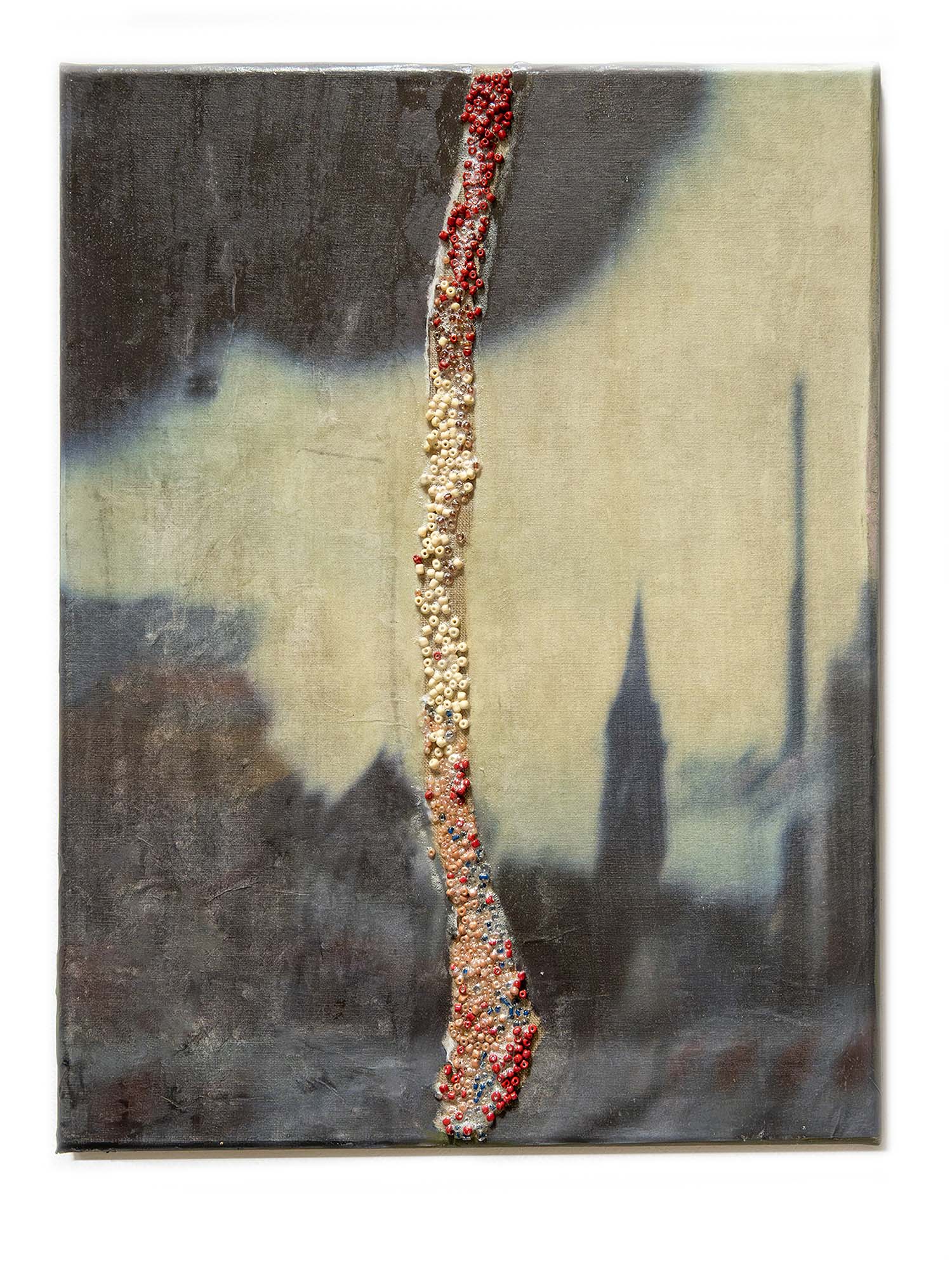
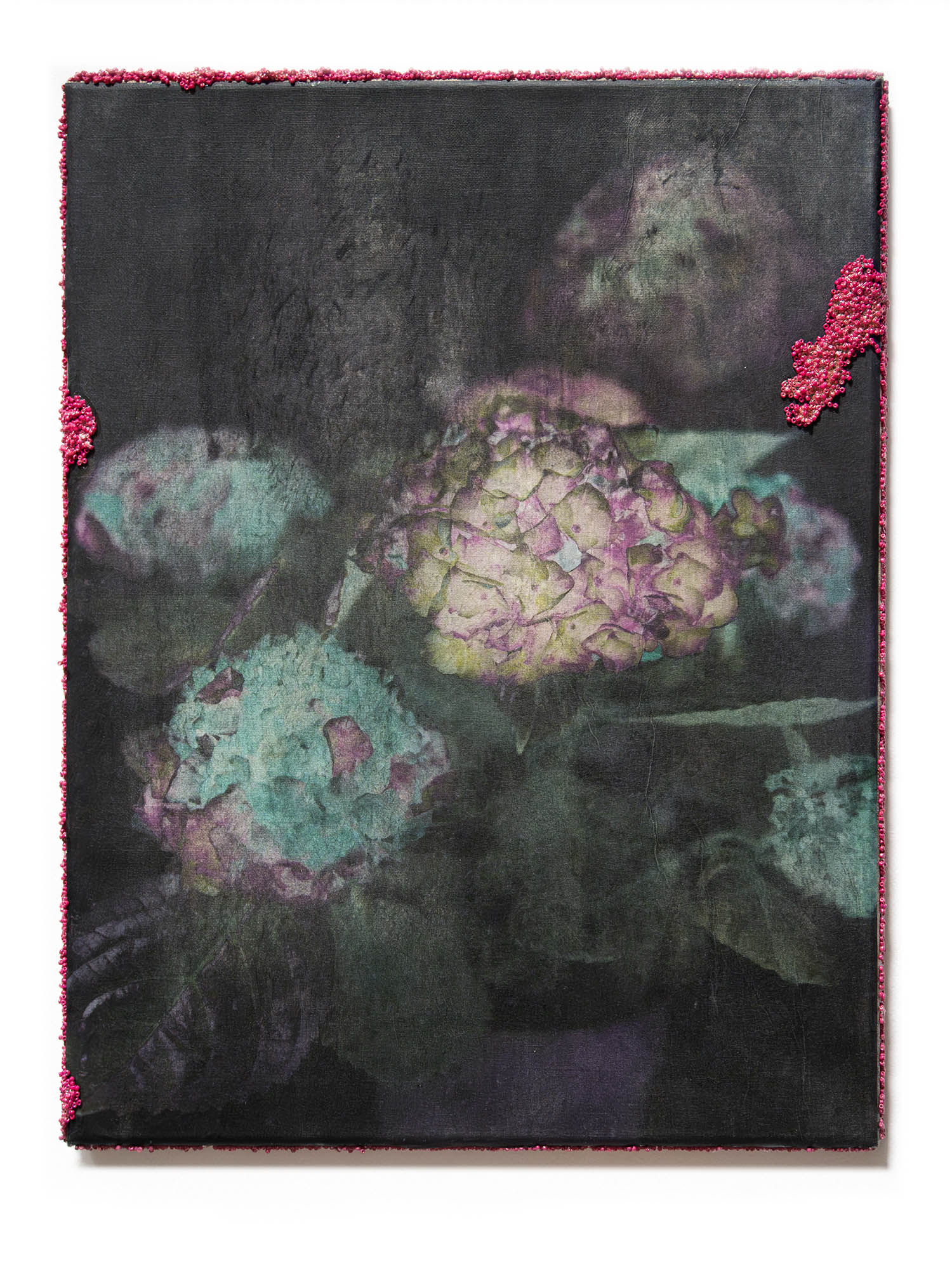
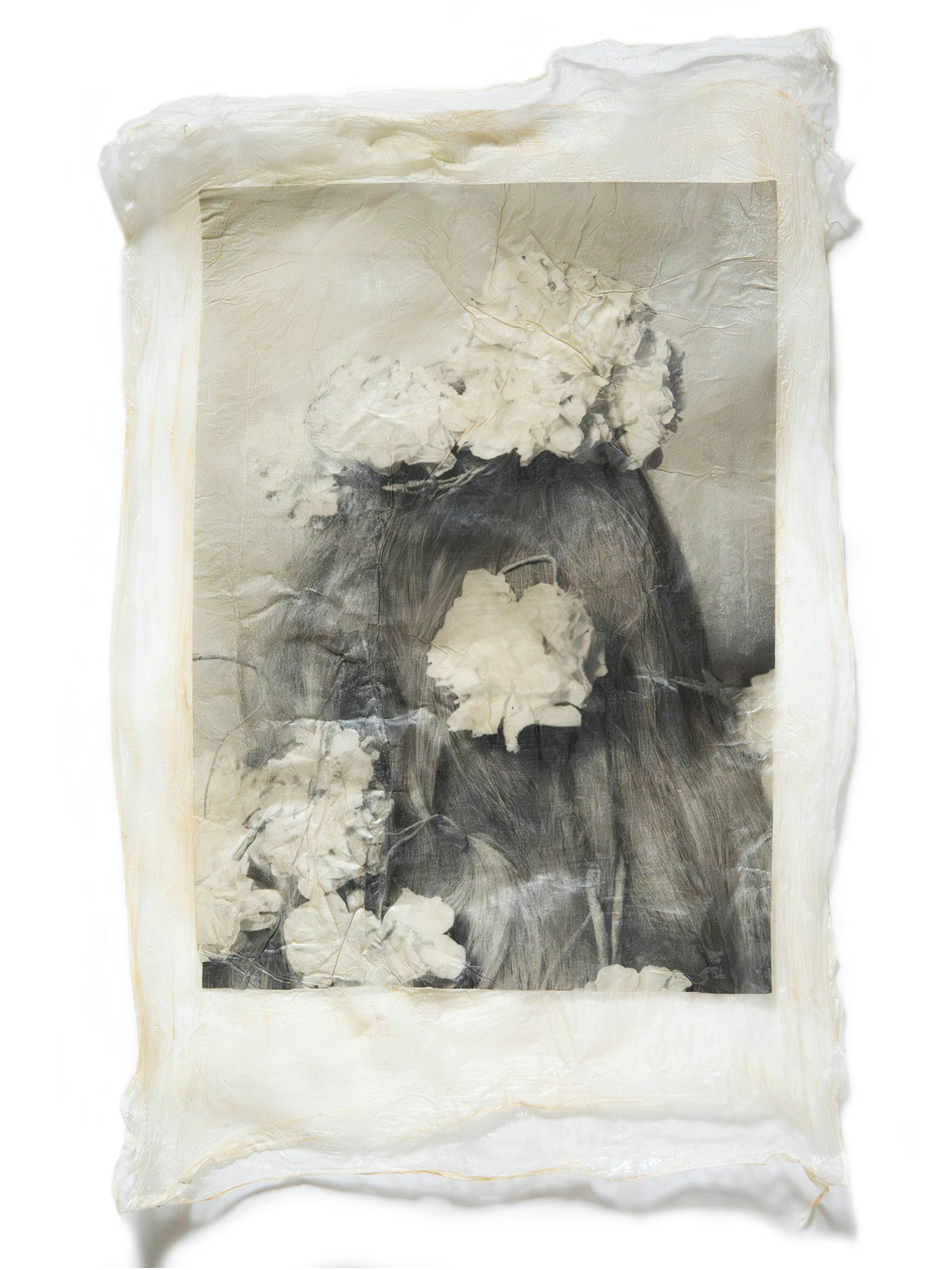
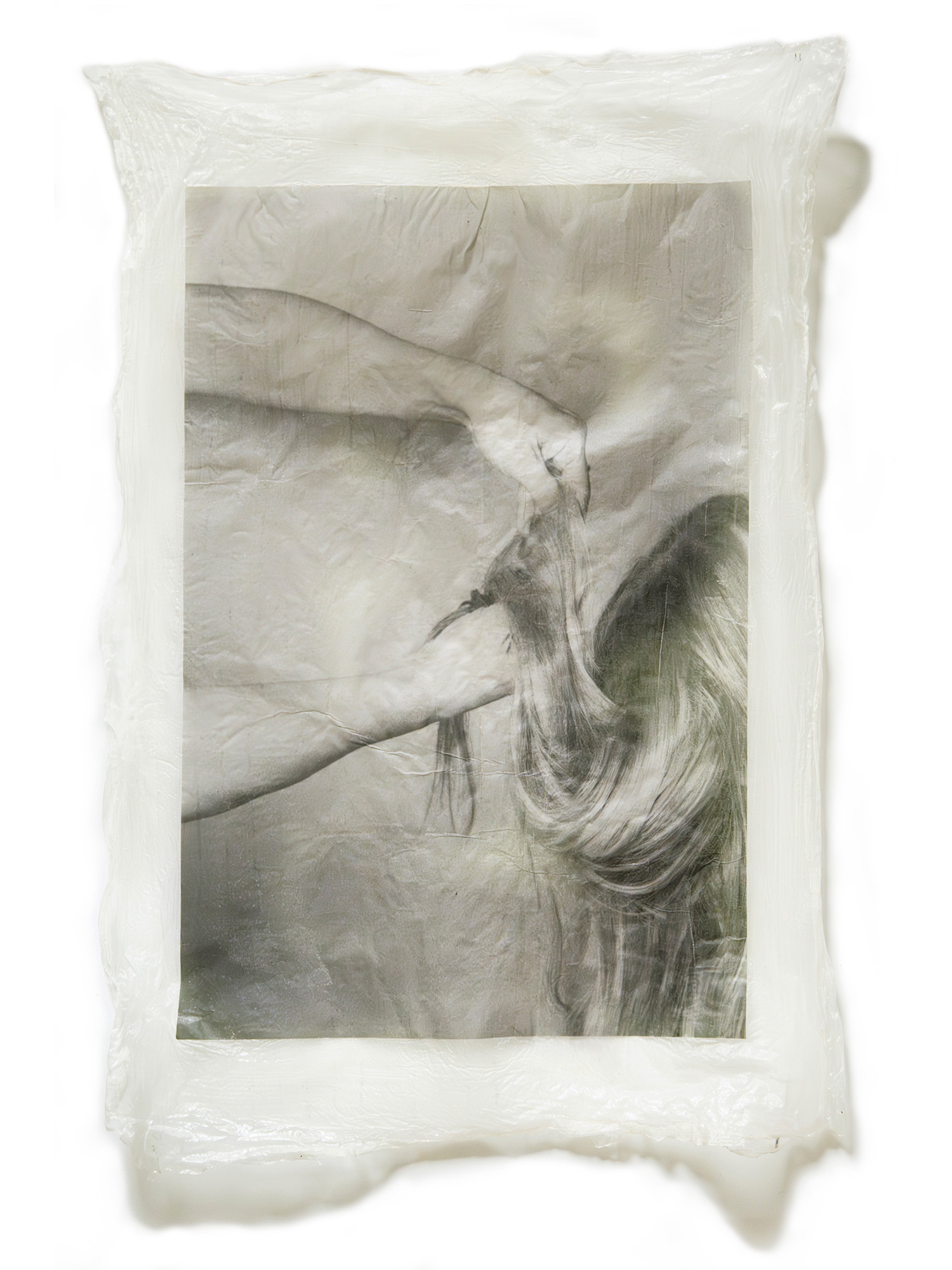
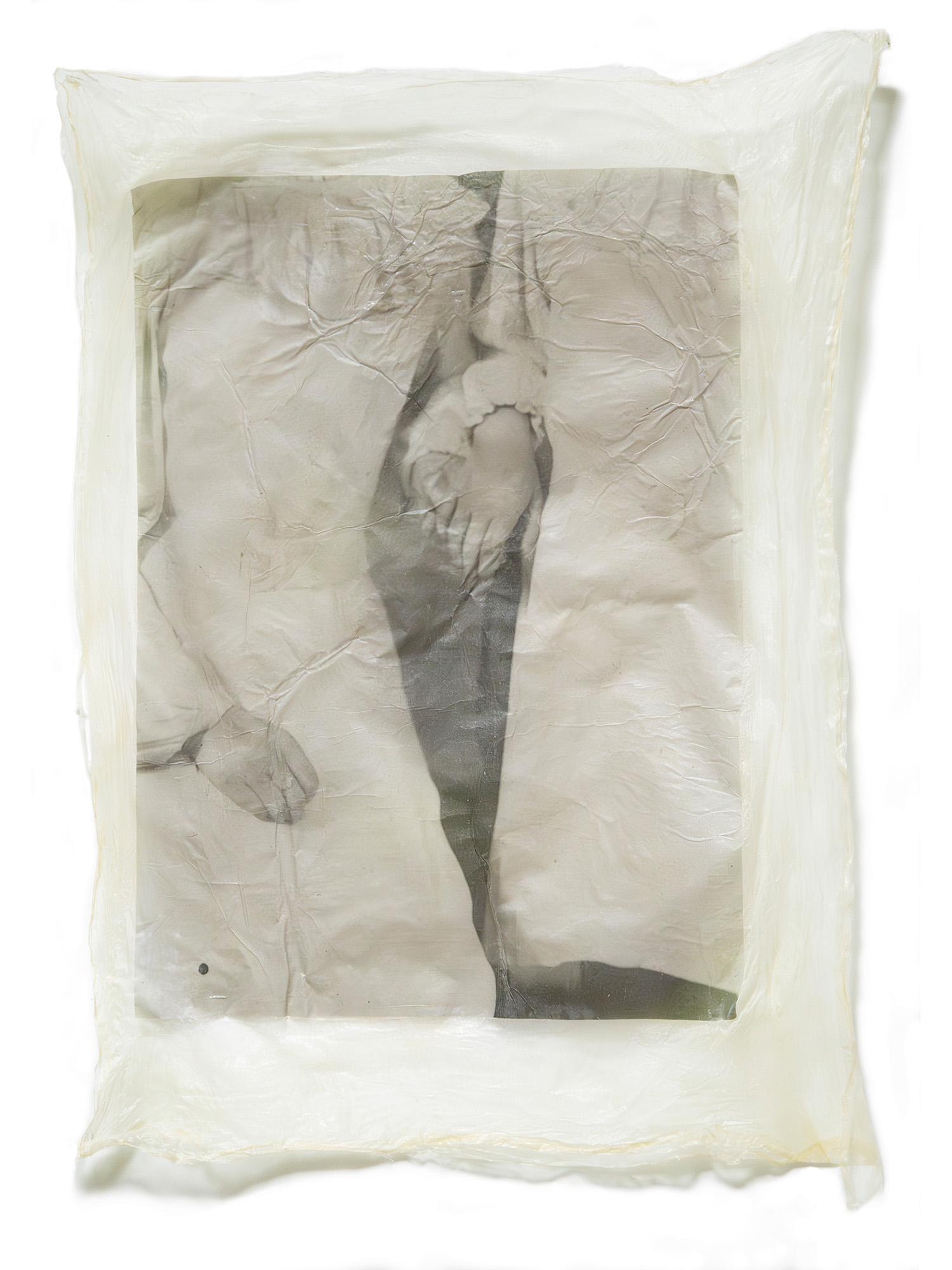
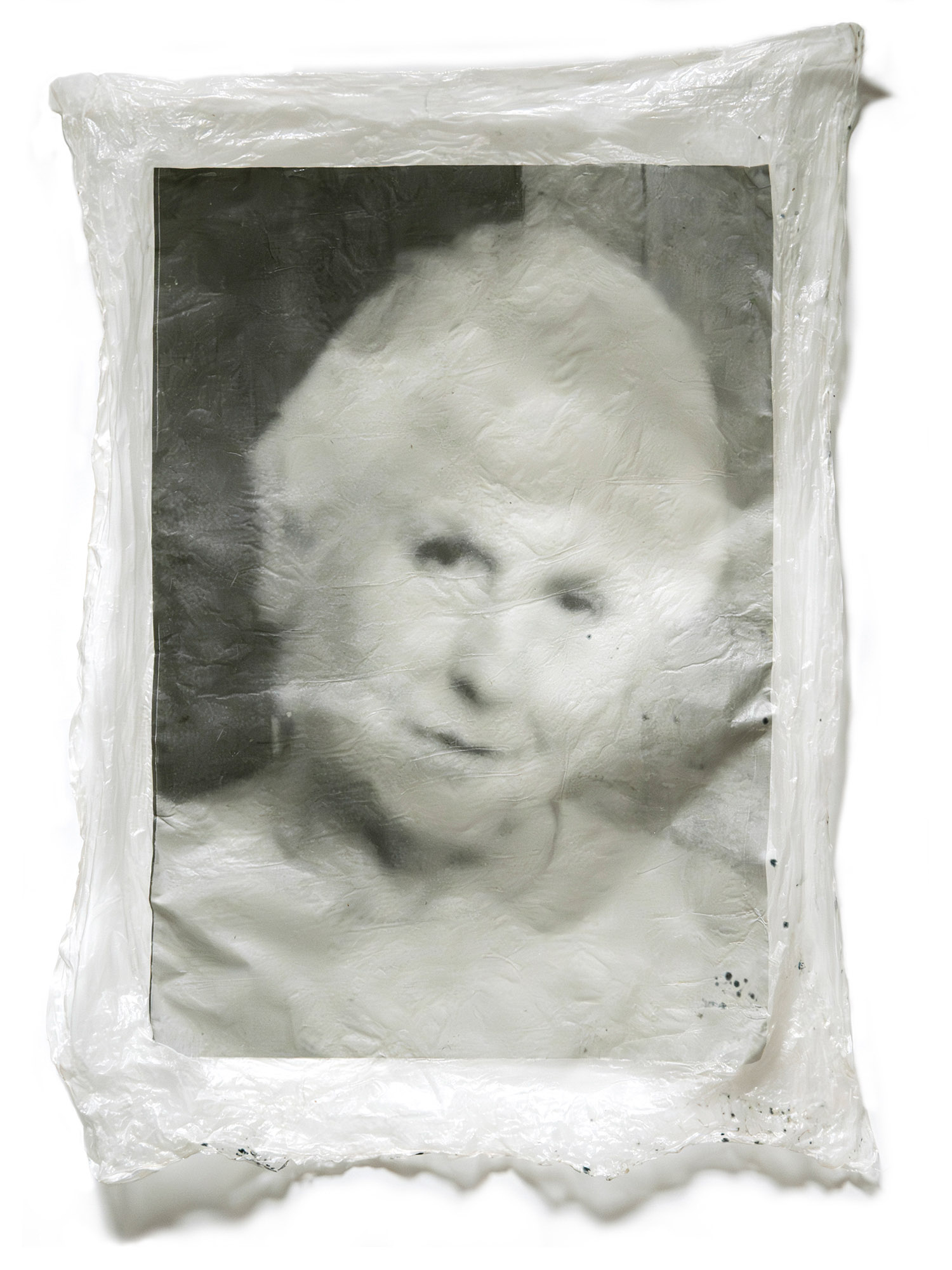
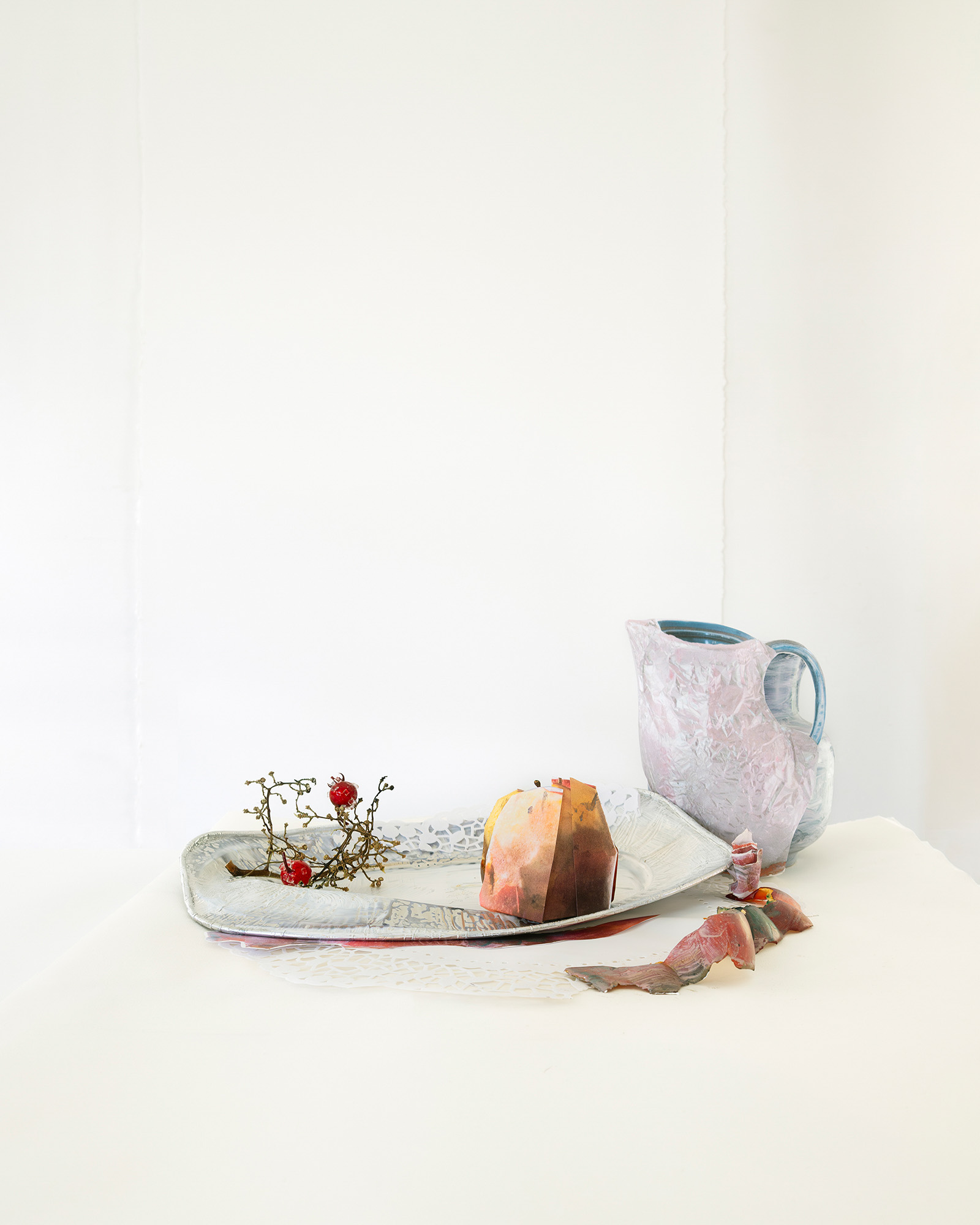
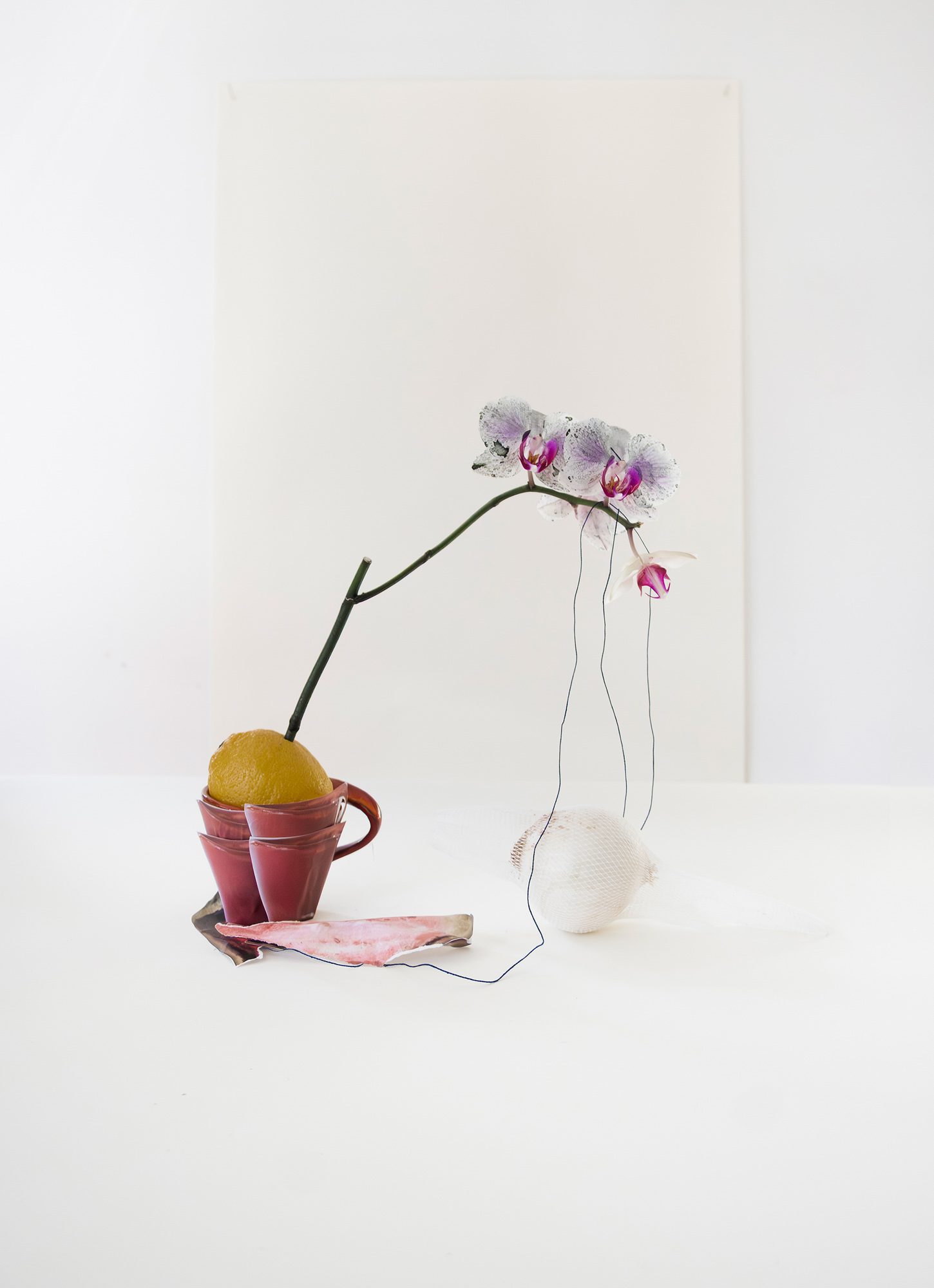
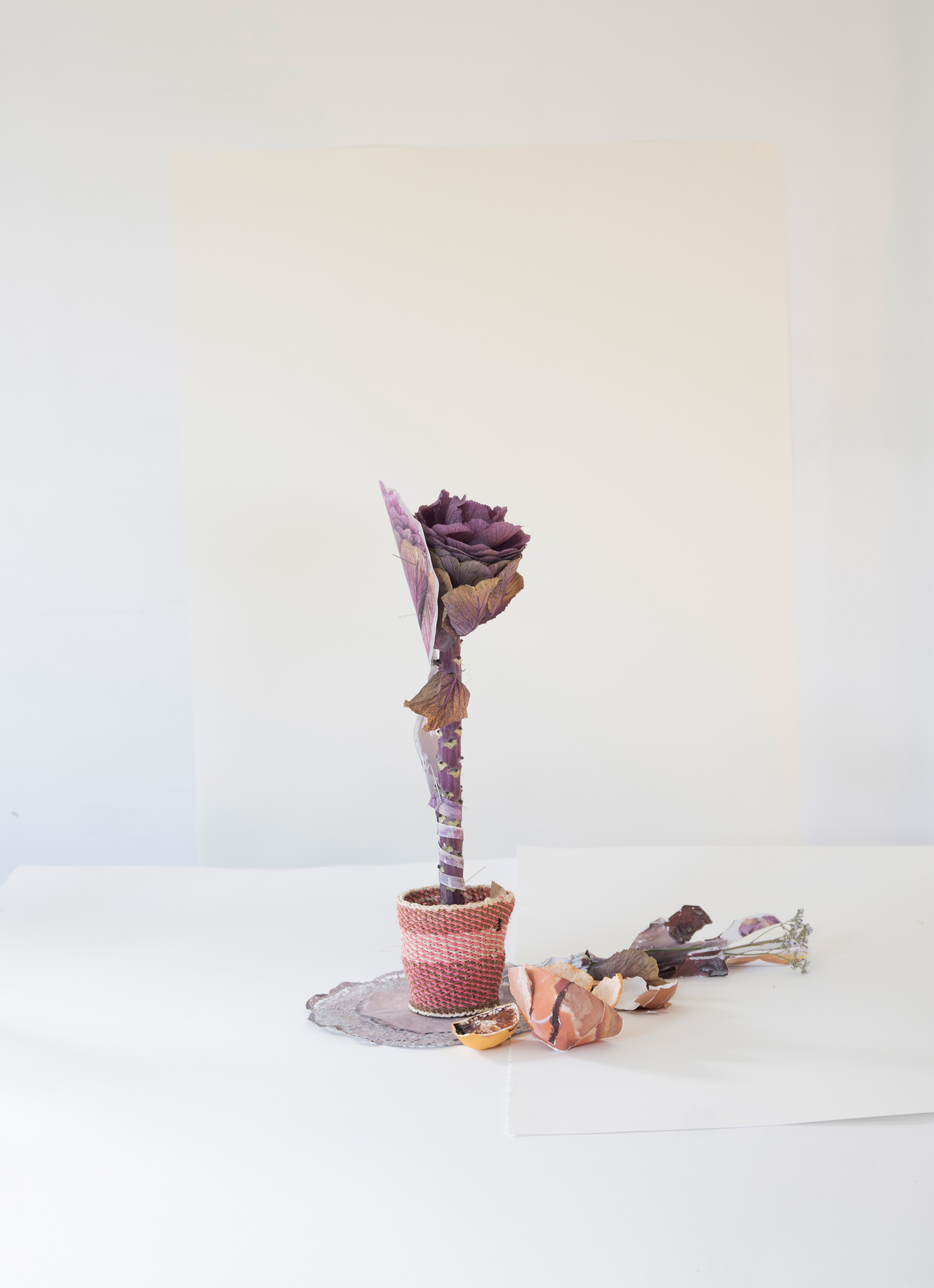
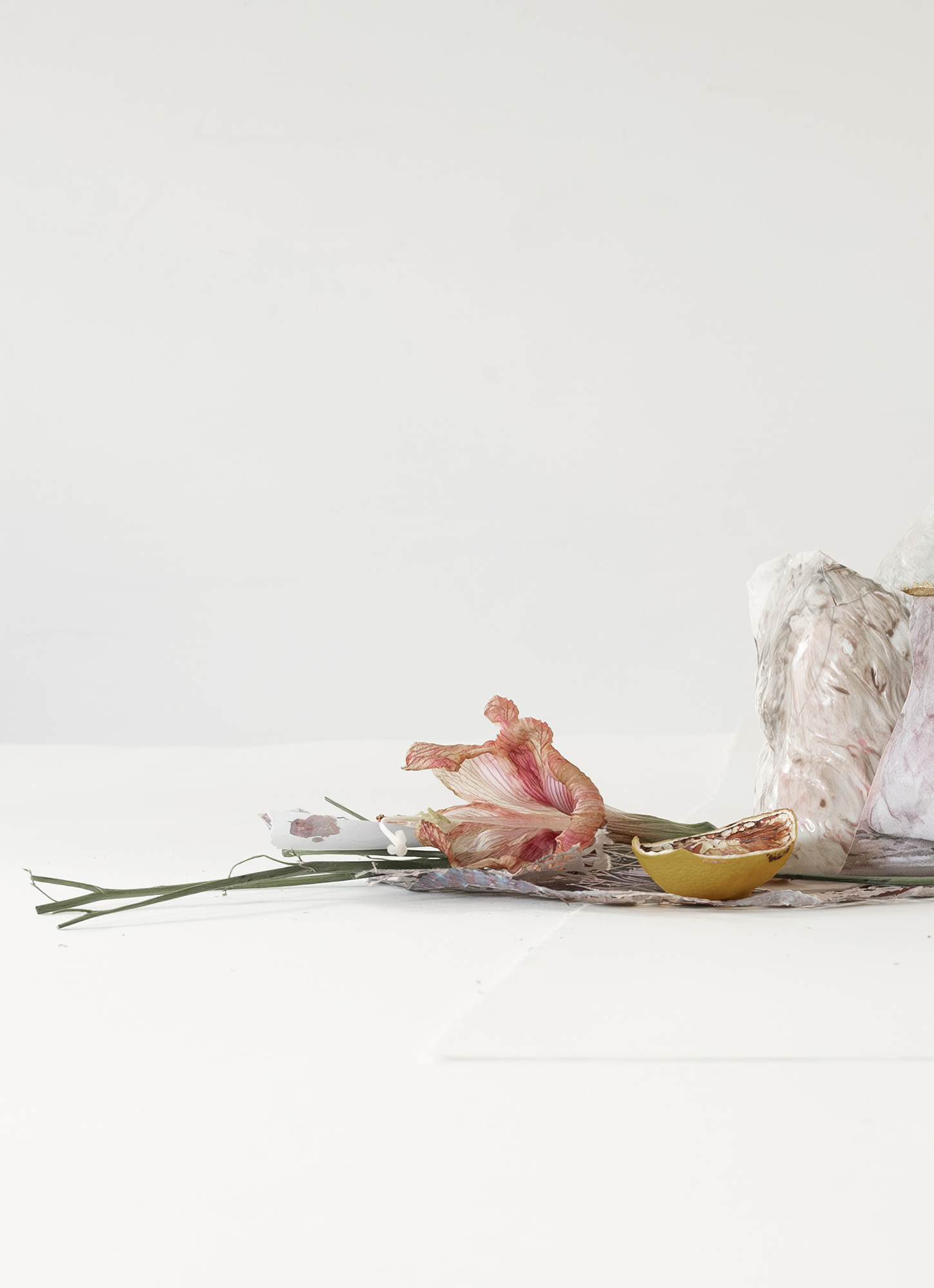

The Crumbs cycle addresses the experience of loss, memory, and mourning understood as an unfinished process. Its point of departure is the absence of farewell — a moment that could not take place and left behind only traces, remnants, fragments.
The works incorporate archival photographs and elements belonging to a close person: fragments of jewelry, fur, small everyday objects. These are embedded into the structure of images and objects as material carriers of memory — not in order to reconstruct a relationship, but to quietly sustain it.
The images are secured, flooded, stitched, and isolated; the objects arranged as if after an event, after touch, after disintegration. These gestures do not serve narration, but the creation of a personal ritual of farewell that must be constructed where it was not possible.
In Crumbs, memory is not a stable image, but a process of crumbling. What remains does not form a whole — it persists as fragment, trace, crumb. The cycle does not tell the story of a specific person, but refers to the universal experience of loss and the need to preserve presence through matter.